
Living in Arataki: practical coastal living between the Mount and Pāpāmoa.
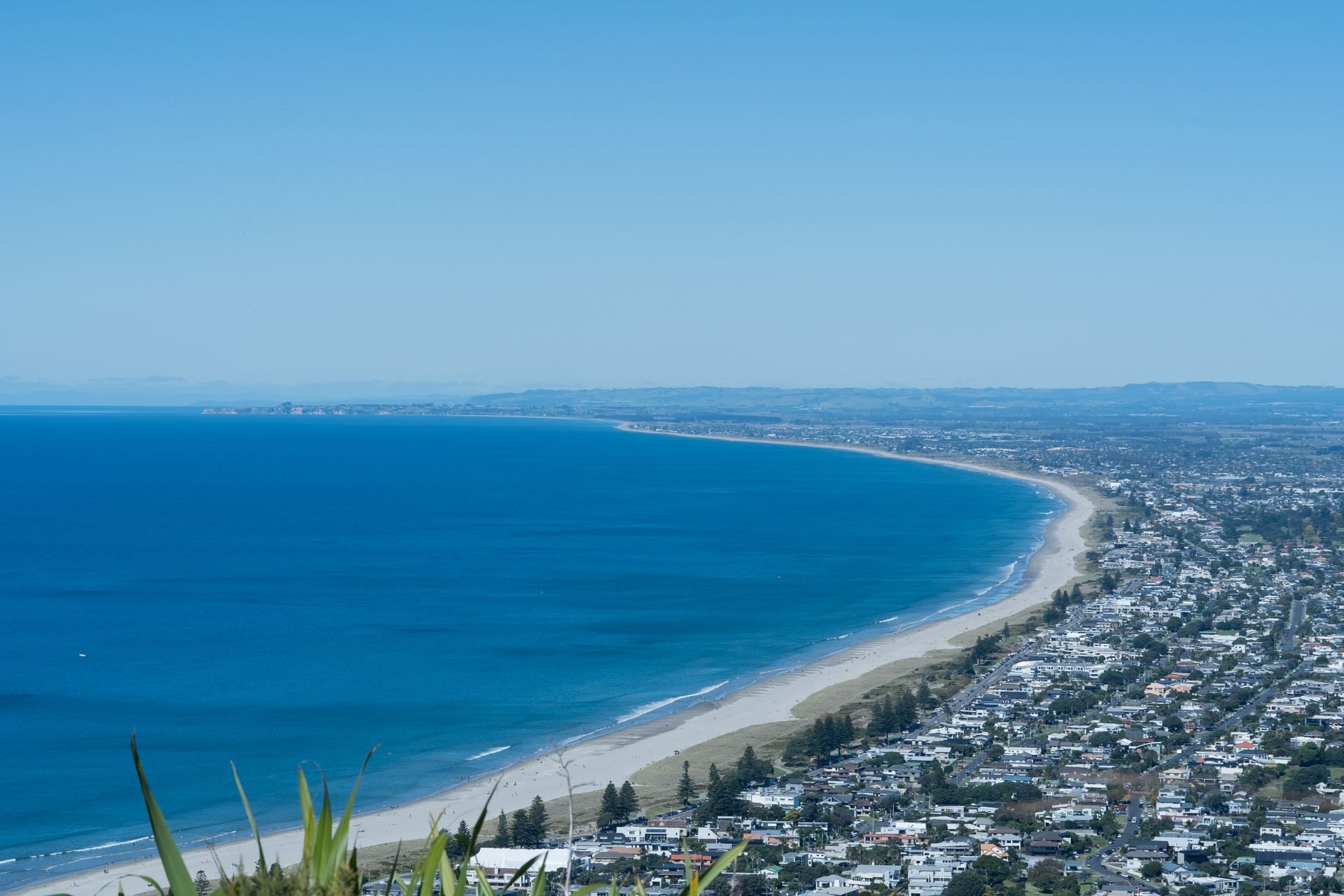
Arataki is the everyday end of the coastal strip rather than the resort end. Beach access, Bayfair, Baywave, Baypark, local parks, schools and the main routes are all part of the weekly rhythm here — and the housing changes noticeably from one street to the next, which is exactly why a suburb-wide number tells you so little.
Wider Mount Maunganui context
We are not showing an Arataki median, because we do not have a clean standalone figure we would stand behind. The numbers below are for the wider Mount Maunganui market and are context only — they are not an Arataki median and not a valuation of any individual property.
- Median property value (Mount Maunganui)
- $1.06M
- 12 month change (Mount Maunganui)
- +3.1%
Mount Maunganui · Trade Me Property Insights · August 2026.
Given how varied the housing is here, comparable sales of genuinely similar homes will always give you a better read on an Arataki property than any area-wide estimate.
How locals talk about the neighbourhood
Tauranga City Council treats Arataki as its own neighbourhood and ward, with the broader grouping also taking in adjacent areas such as Te Maunga, Palm Beach and Kairua — and some council material references Mangatawa too. Within that, locals describe a few practical zones. They are useful shorthand, not formal boundaries.
Bayfair & Farm Street side
The retail and transport end of the neighbourhood. Bayfair is the major shopping and services anchor for this part of the coast and the bus interchange makes it one of the more connected addresses in the Mount. Housing is largely established, with a steady increase in intensification and newer attached homes appearing between older sites.
Links Avenue, Eversham & Gloucester side
More of a family-street feel, with Arataki Park and Baywave close by and schools within the neighbourhood. Traffic and route behaviour vary noticeably street to street here — some roads are quiet residential, others carry a lot of through movement, particularly at school and commuter times.
Oceanbeach / Maranui side
Closer to the coastal edge, with older homes sitting alongside newer infill and townhouse development. Genuine proximity to the beach can materially change buyer interest between two homes that otherwise look similar on paper.
These descriptions are a local way of talking about different parts of Arataki. They are not official boundaries, and nearby places are not automatically the same suburb.
What the housing looks like
Established standalone homes
A large share of the neighbourhood is conventional standalone housing on its own section — some tidy and updated, some still close to original. Section size and usability vary widely.
Brick homes and units
Low-maintenance brick homes and unit-style properties come up regularly, and often appeal to downsizers, first-home buyers and investors comparing weekly running costs as much as purchase price.
Infill, townhouses and medium density
There is an increasing amount of townhouse and medium-density development through the area. These homes usually trade land and parking for a newer build and lower upkeep — check the title type carefully.
Renovated and rebuilt homes
Plenty of older houses have been reworked or replaced over the years. What has actually been done, and whether it was consented, matters more to price than how the street looks from the kerb.
Why buyers choose Arataki
- Beach access from many parts of the neighbourhood — although the distance varies a lot by address.
- Bayfair for shopping, services and one of the area's main public transport connections.
- Baywave, Arataki Park and Baypark all within easy reach for recreation and events.
- A genuine choice between established housing and newer, lower-maintenance homes.
- A position between Mount Maunganui and Pāpāmoa with access to the main routes in both directions.
- School enrolment zones apply and can change — always check the exact address rather than the suburb name.
Trade-offs and due diligence
- Traffic and route behaviour
- Movement through this part of the coast varies significantly by street, particularly around the main corridors and Links Avenue. Visit at different times of day before you decide how a street will feel to live on.
- Coastal and natural hazards
- Council material identifies coastal hazard, tsunami and sea-level considerations for parts of the coastal strip. This is normal due diligence rather than a reason to avoid the area — check the LIM, council hazard information and property-specific advice for the address you are considering.
- Intensification and infill
- Medium-density development is increasing here. It is worth understanding what could be built around a property over time, not just what is there today.
- Older-home condition
- Construction era, cladding, roofing, insulation, wiring and plumbing all vary. A builder's report and your solicitor's review of consents are the practical way to get comfortable.
- Parking, garaging and title
- On smaller and attached sites, parking and title type can materially affect both usability and resale. Two homes with the same floor area can live very differently.
- Council investment is ongoing
- Tauranga City Council is investing in roads, public spaces and safer, better-connected transport in the Arataki neighbourhood. Timing and final scope are council matters, so treat it as context rather than a guaranteed outcome.
What buyers actually compare here
- Title type — freehold, cross lease or unit title, and what that means for alterations.
- Garaging and off-street parking, especially on infill and townhouse sites.
- Section usability rather than raw square metres: flat, fenced, private and sunny, or leftover space.
- Actual walking or driving distance to the beach from that specific address.
- Street position and how traffic behaves at school pick-up and evening peak.
- Renovation and consent history on older homes.
- Proximity to Bayfair, Baywave, Arataki Park and Baypark.
- What could be built next door as intensification continues.
Our local read
Arataki is a market where the practical details and the street position often matter more than the headline Mount Maunganui median. A tidy standalone home on a quiet street with real parking, a newer townhouse with almost no upkeep, and an original house on a larger site with development potential are three completely different purchases — and all three can be within a few minutes of each other here.
For buyers, that means doing the comparison work properly rather than anchoring to a suburb figure. For sellers, it means presentation, honest paperwork and a campaign that explains what is genuinely good about your specific address. We do not make predictions about where values go next — we would rather show you what has actually sold and what is competing with you right now.
Buying in Arataki?
Because the housing mix is so varied, comparing like with like takes a bit more work here. Get clear on title type, parking, section usability and the hazard information for the specific address, and you will buy with far more confidence.
Own a home in Arataki?
With no clean standalone Arataki median, automated estimates can be well off the mark on individual streets. We would rather look at the homes that genuinely competed with yours, then talk through presentation, method of sale and timing.
More detail: how an Arataki property appraisal works.
Arataki questions we get asked
Is Arataki part of Mount Maunganui?
Arataki sits within the wider Mount Maunganui area and is treated by Tauranga City Council as its own neighbourhood and ward. The council's neighbourhood grouping also takes in adjacent areas such as Te Maunga, Palm Beach and Kairua, and some council material references Mangatawa as well. In everyday conversation people use both 'Arataki' and 'Mount Maunganui' — but they are not identical, and nearby places are not automatically the same suburb.
Is there an Arataki median house price?
We are not aware of a clean standalone Arataki median we would be comfortable publishing, so we do not show one. Where we show market context it is the wider Mount Maunganui figure — a Median HomesEstimate of $1.06M, up 3.1% over 12 months (Trade Me Property Insights, August 2026). That is wider Mount context only. It is not an Arataki median and it is not a valuation of any individual home.
What kinds of homes are common in Arataki?
The mix is genuinely varied. Current and recent listings show established standalone homes, brick homes and units, older original stock, infill sites and an increasing amount of townhouse and medium-density development. Title type, parking, garaging and how usable the section is differ a lot from one street to the next.
Is Arataki close to the beach?
Much of the neighbourhood sits on the coastal strip between Mauao and Pāpāmoa, so beach access is part of everyday life for many households. How close you actually are depends heavily on the address — walking distance from one street can be a short drive from another only a few minutes away.
What should buyers check before purchasing in Arataki?
Treat it as property-specific due diligence rather than a view about the area. Check the LIM and council records for coastal hazard, tsunami and natural-hazard information; look at the title type, parking and garaging; review consent and renovation history on older homes; and understand how traffic behaves on that particular street at different times of day. Intensification means neighbouring land use can change over time, so it is worth knowing what is possible nearby, not only what is there now.
How do I work out what an Arataki home is worth?
Comparable local sales — similar style of home, similar land and title, similar condition and similar street position — will tell you far more than a suburb-wide automated estimate. Because there is no clean standalone Arataki figure, that comparable work matters more here than it does in areas with a well-defined dataset.
Looking at the wider area? Read our full Mount Maunganui guide or compare it with Papamoa Beach.
Thinking about a street in Arataki?
Tell us what matters most — beach distance, parking, low maintenance, schools or renovation appetite — and we will give you a straight read on what that buys here.
Talk to a local